
← All shows
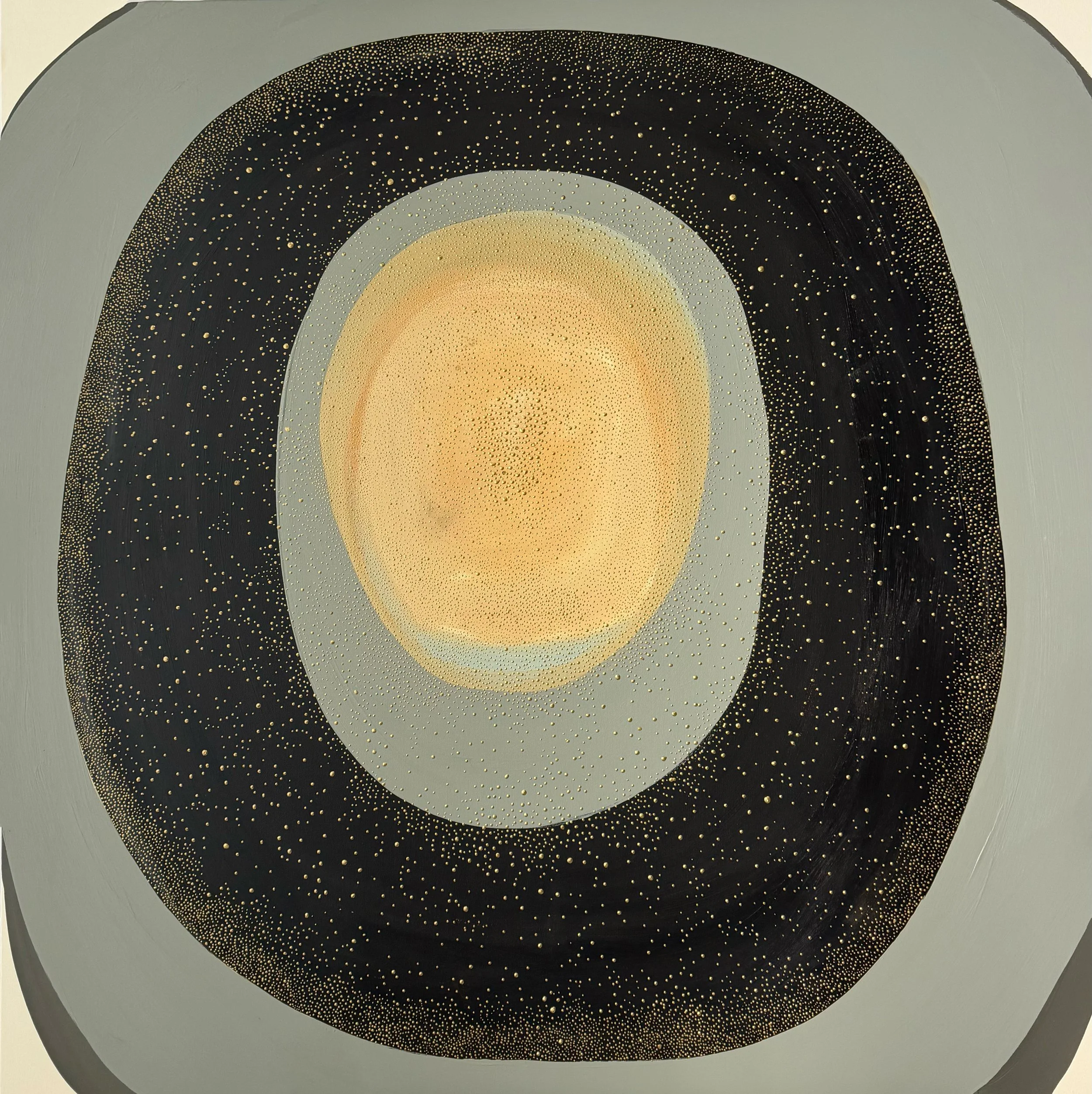
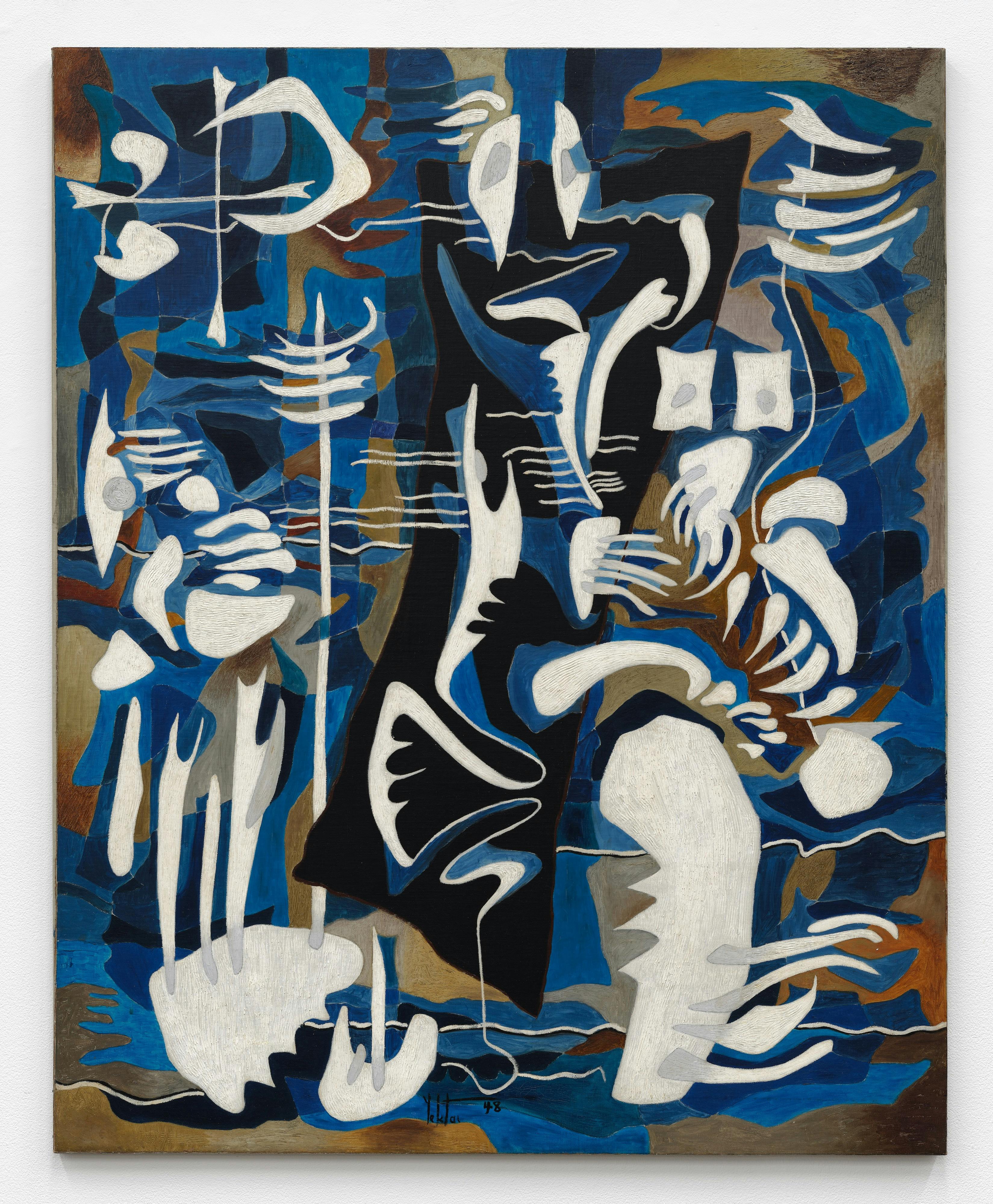
Manoucher Yektai: The Stranger and the Tree
Manoucher Yektai
Institute of Contemporary Art, MiamiMiami, FL
Manoucher Yektai at Institute of Contemporary Art, Miami, Miami.
Visit
Apr 30 — Nov 22
wed–sun, 11 AM–6 PM
More like thisSee all →
Marie H Hermann: Still Points and Shared Shapes
Mindy Solomon Gallery · Miami
Jody Guralnick: As Close As Breath
Nancy Hoffman Gallery · New York
Laure Mary: Interdum Mane
Piero Atchugarry Gallery - Miami · Miami
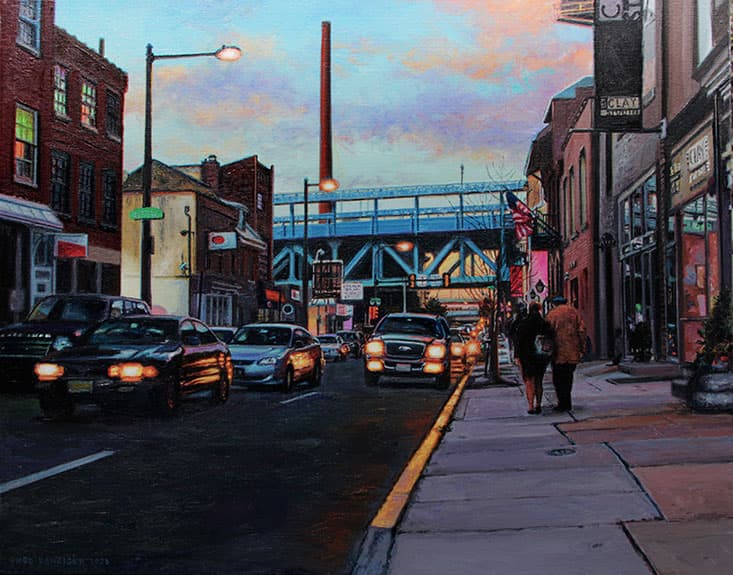
Fred Danziger: Moments on a Journey
F.A.N. Gallery · Philadelphia
Jesse Zuo: Photosynthesis
Piero Atchugarry Gallery - Miami · Miami
In the Light of Endings
Dirkse/Prim Gallery · Seattle
Traces We Hold
Minnesota Street Project · San Francisco
Katy Ferrarone: From Center
Voltz Clarke Gallery · New York